
Attribution Guide
Typeform Marketing Attribution: Connect Lead Sources to Revenue
Understand where Typeform leads first came from and connect that context to customers and revenue in your CRM.
A Typeform response tells you what someone submitted. Marketing attribution adds context about how they first found your website, including the original channel, campaign, and landing page.
Madlitics captures that first-touch context and passes it into your configured, embedded Typeform. Map the attribution fields into your CRM, then connect leads to customer and deal records to understand which acquisition sources generate business results.
This guide explains how that attribution works, what it can tell you, and its limits. For configuration instructions, follow the Typeform setup guide.
First-touch attribution records the original source that brought a visitor to your website. It helps answer: “How did this lead first find us?”
For example, someone clicks a tagged LinkedIn ad, reads a blog post, and later submits an embedded Typeform on your demo page. If that was their first recorded visit, Madlitics preserves the LinkedIn campaign context as they browse. The response can then include:
The demo page is where the visitor submitted the form. The blog post is where they originally arrived. Those are different parts of the journey.
First-touch attribution gives the lead an original acquisition source. It does not describe every interaction that influenced the decision to submit or buy.
A visitor might discover your website through LinkedIn, return through Google, and later become a customer. First-touch reporting credits the original recorded source; it does not divide credit between those visits.
Madlitics preserves that context within the same browser while its stored attribution remains available. Switching devices, clearing browser storage, or restrictions on tracking can interrupt that continuity.
Use first-touch attribution to compare acquisition sources alongside lead quality, sales outcomes, and other reporting.
Capturing attribution is the starting point. To understand lead quality and revenue, connect that context to what happens after the Typeform submission.
Keep attribution with the lead
Use a Typeform connection that supports transferring your attribution parameters, then map them to the appropriate CRM fields.
Connect leads to opportunities and customers
Make the original attribution available to the records used for sales reporting. Your CRM’s relationships and workflows determine how lead information connects to contacts, opportunities, and deals.
Compare sources by business results
Use your existing reporting tools to answer:
Include a consistent reporting period and allow time for leads to progress through your sales cycle. Recent campaigns may have generated leads whose customer and revenue outcomes are still developing.
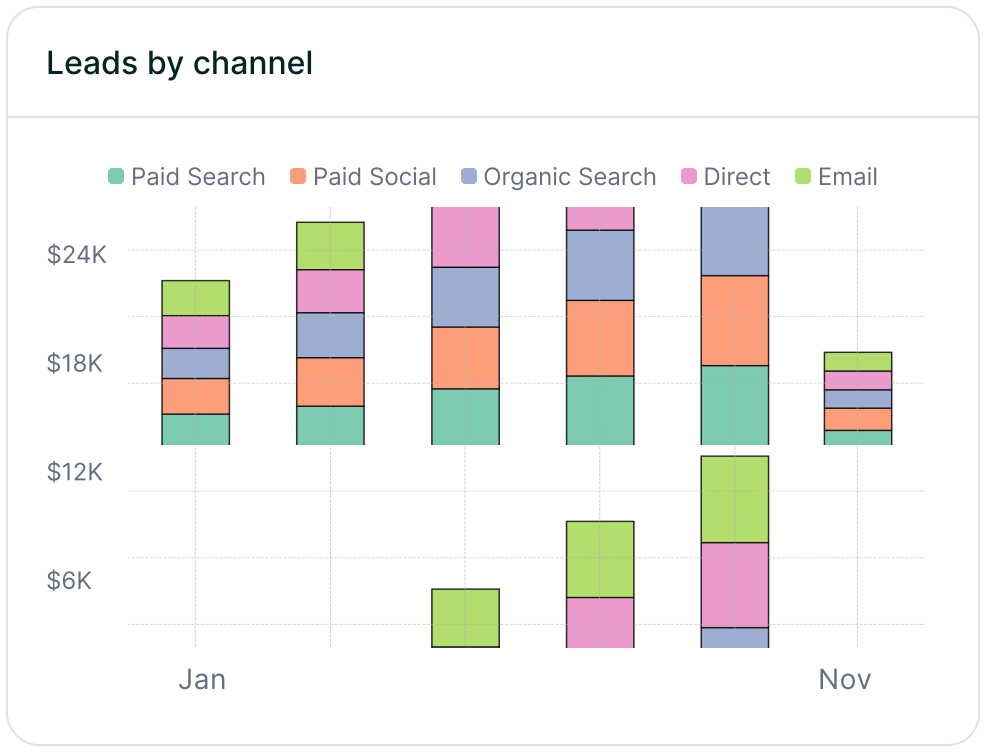
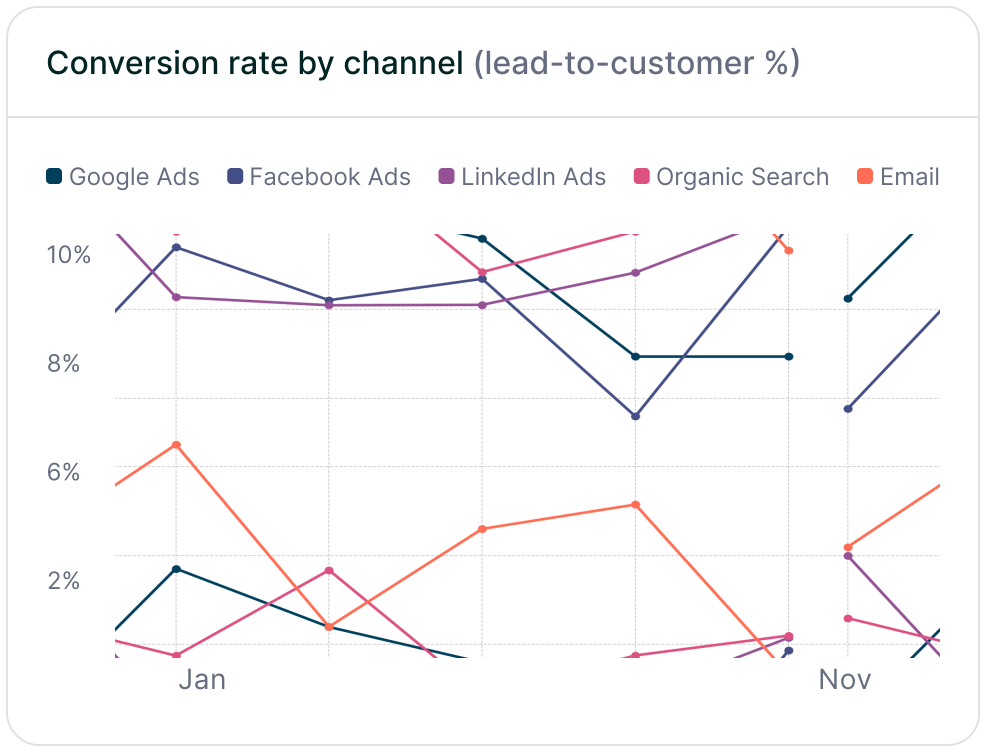
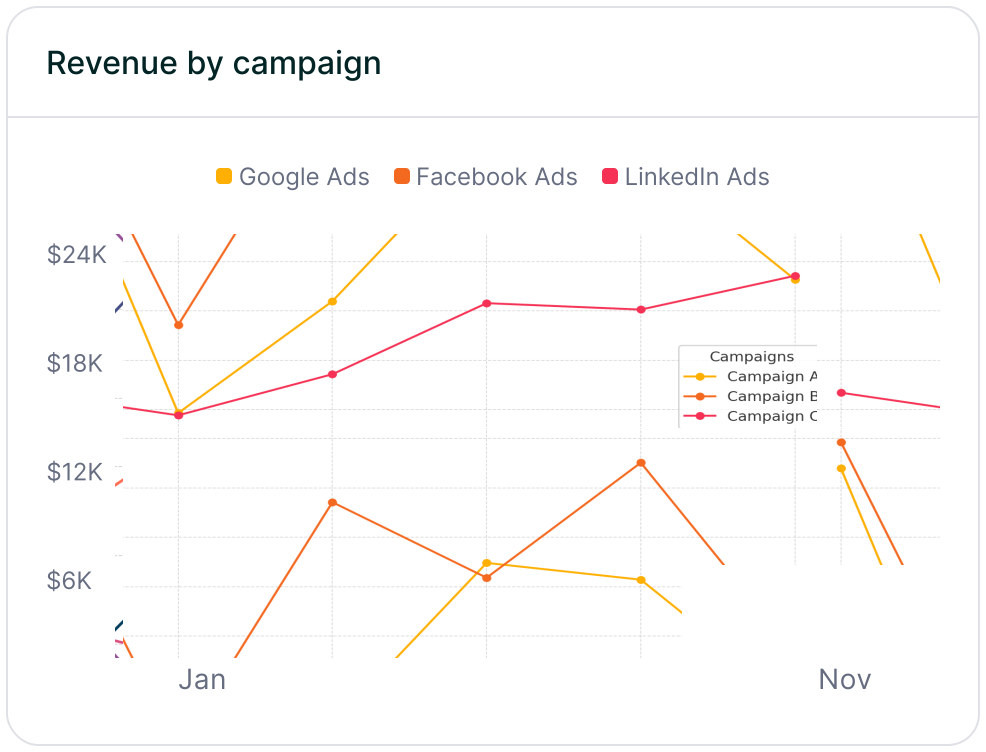
Start by capturing the original channel, campaign, and landing page with your Typeform leads. Map those fields into your CRM and connect them to customer outcomes.
Follow the Typeform setup guide to configure your form, or explore the Typeform integration overview to see how Madlitics fits your workflow.
Answers to common questions about UTM tracking with Madlitics and Typeform